2026-10-10 ·
Maintaining Septic Systems In Rural Texas Properties
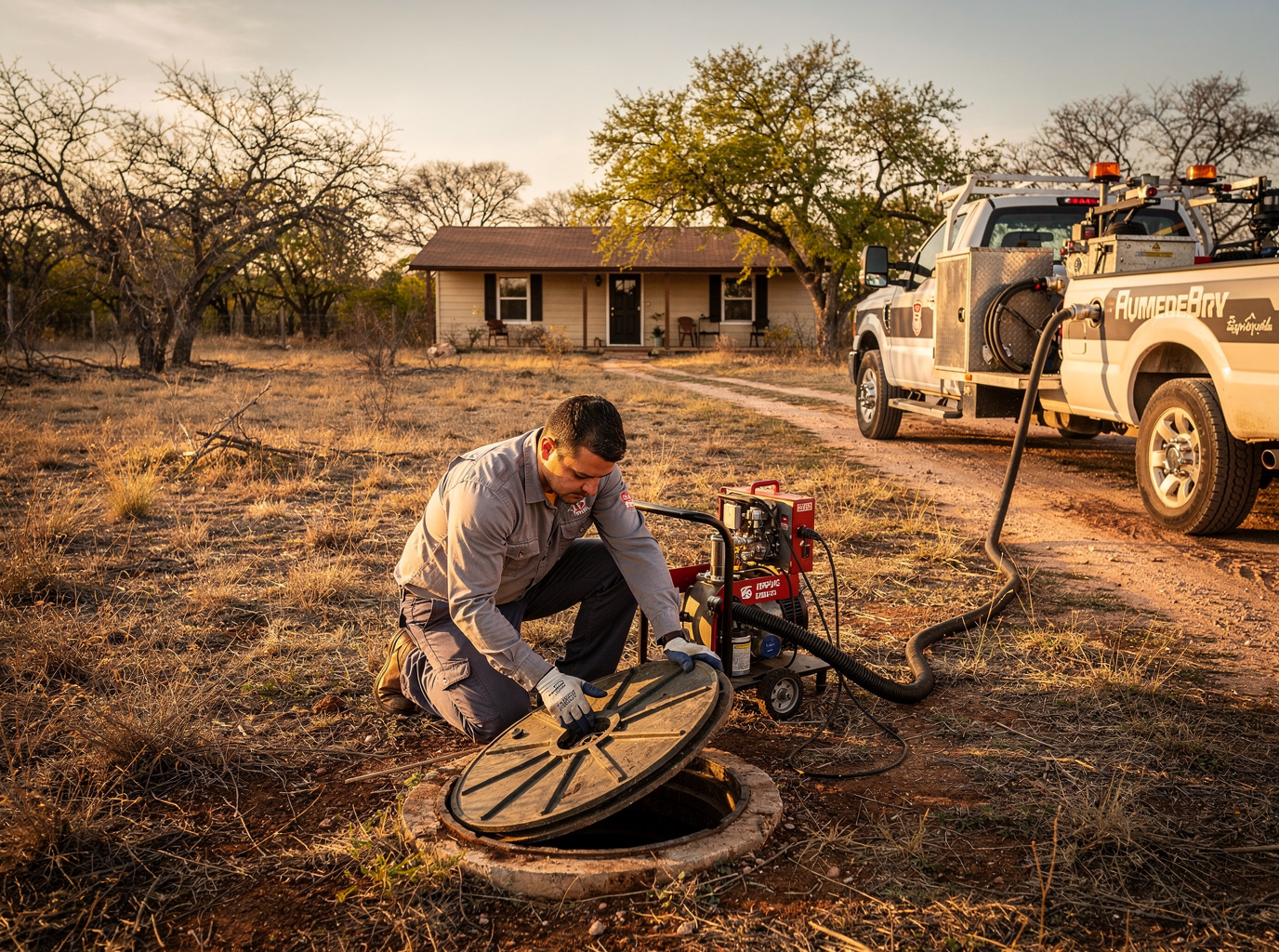
Maintaining septic systems in rural Texas properties primarily involves regular pumping, typically every 3–5 years, depending on household size and water usage, along with mindful waste disposal. The lifespan of a well-maintained septic system can extend to 20–30 years or even longer, but neglect can lead to failure in as little as 5–10 years. Unlike urban areas with municipal sewer lines, many rural homes across Texas, from the rolling hills west of Austin to the expansive ranches near Waco and the more humid regions around Houston, rely on these self-contained wastewater treatment units. Our diverse Texas soils, ranging from the expansive clays common in areas like Fort Worth and Dallas to the sandier loams found closer to the Gulf Coast, significantly impact drainage and system design, making localized expertise crucial for effective maintenance. Understanding these nuances is key to preventing backups, foul odors, and expensive repairs that can easily run into thousands of dollars.
Understanding Your Septic System's Components
A typical septic system in rural Texas consists of two main parts: the septic tank and the drain field (also known as the leach field or absorption field). The septic tank is a watertight container, usually made of concrete or fiberglass, that holds wastewater from your home. Here, solids settle to the bottom, forming sludge, while lighter materials like grease and oil float to the top, forming scum. Naturally occurring bacteria break down a portion of these solids. The remaining liquid, called effluent, then flows out of the tank into the drain field. This drain field is a series of trenches or beds containing gravel and perforated pipes, allowing the effluent to slowly seep into the soil, where it's further treated by natural processes. The type of soil, such as the heavy clay often found in areas like College Station or the sandy soils in East Texas, dictates how efficiently this drainage occurs. Improper maintenance or overloading can quickly compromise the drain field's ability to absorb water, leading to costly issues.
Regular Pumping and Inspections
The most critical aspect of septic system maintenance is regular pumping. As mentioned, for most average households, this means having your septic tank pumped every 3–5 years. However, factors like the number of occupants, the size of your tank, and your water usage habits can alter this schedule. A larger family or frequent use of a garbage disposal will necessitate more frequent pumping, perhaps every 1–2 years. Ignoring this can lead to an accumulation of sludge and scum that eventually clogs the outlet pipe, forcing solids into your drain field. Once solids enter the drain field, they can permanently clog the soil, leading to system failure. Professional inspections, ideally every 1–3 years, can help assess the sludge and scum levels, check for leaks, and identify potential issues before they become emergencies. During these inspections, we often check for root intrusion, especially from mature trees common in older properties around areas like Tyler or Georgetown, which can severely damage pipes and tanks.
What Not to Flush or Pour Down the Drain
Your septic system is not a trash can. What goes down your drains directly impacts the health of your system. Avoid flushing anything other than human waste and toilet paper. This includes: feminine hygiene products, wet wipes (even those labeled "flushable"), paper towels, dental floss, cigarette butts, and cat litter. Furthermore, be extremely cautious about what you pour down your sinks and toilets. Harsh chemicals like drain cleaners, excessive bleach, and strong detergents can kill the beneficial bacteria in your septic tank that are essential for breaking down solids. Grease, cooking oils, and coffee grounds should also be kept out of the system, as they can solidify and contribute to clogs in pipes and the septic tank itself. For severe clogs in your home's plumbing, it's always best to call a professional for Drain Cleaning rather than resorting to chemical solutions.
Water Conservation and Its Impact
Reducing your household's water consumption directly lessens the load on your septic system. Every gallon of water you save is a gallon less that your septic system has to process. Simple practices like fixing leaky faucets and toilets, taking shorter showers, using high-efficiency appliances, and only running dishwashers and washing machines with full loads can make a significant difference. Excessive water usage, especially over short periods, can overwhelm the septic tank and flood the drain field, hindering its ability to treat wastewater effectively. This is particularly important during periods of heavy rainfall, common during spring across much of Texas, where the ground may already be saturated, making it harder for the drain field to absorb additional water. If you suspect you have a hidden leak contributing to excessive water use, consider professional Plumbing Leak Detection.
Landscaping and Drain Field Protection
The area above your drain field should remain undisturbed and free from heavy objects. Avoid planting trees or shrubs with extensive root systems near the drain field, as roots are notorious for seeking out and infiltrating septic pipes, leading to blockages and damage. Even shallow-rooted plants like grass are preferable. Do not drive or park vehicles, build structures, or place heavy equipment over your drain field, as this can compact the soil, reducing its ability to absorb effluent, and potentially damage the pipes. Proper drainage around your drain field is also crucial, especially in areas prone to standing water or flooding, which can saturate the soil and prevent proper function. Understanding your property's topography and how water flows, particularly after heavy Texas thunderstorms, is key to protecting this vital part of your system. For properties with older, established trees, regular Sewer Camera Inspection can help identify root intrusion before it causes a major backup.